Chinese Textiles, Embroidery & Court Dress
What a Silk Thread Remembers
Chinese embroidery has a history of several thousand years, yet few people have ever looked closely at the stitching on a Qing dynasty robe. This is a place to study the subject and to look things up: the history of the craft and how its stitches are made, alongside object records, a motif reference and a bibliography that can be checked entry by entry.
01
Learn the subject
History, technique, the regulation of court dress, and the vocabulary. Read them in order and objects start to give things up.
Start reading02
Look something up
Object records, a motif reference, a working bibliography, and the collections elsewhere — with what each will let you do with its images.
Start lookingDirected by Xiaojian Li, and drawing on his own collection and long-standing research.
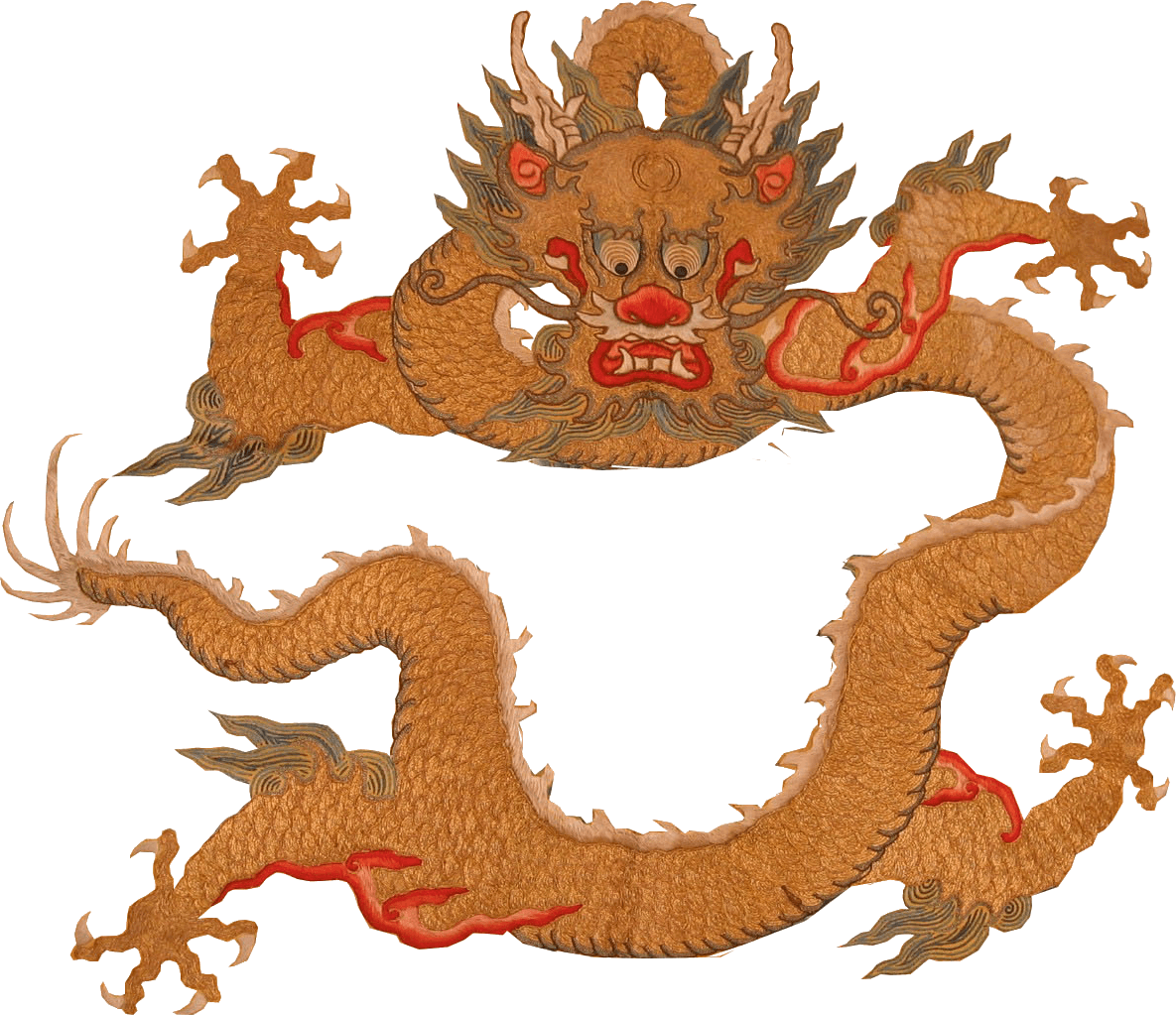
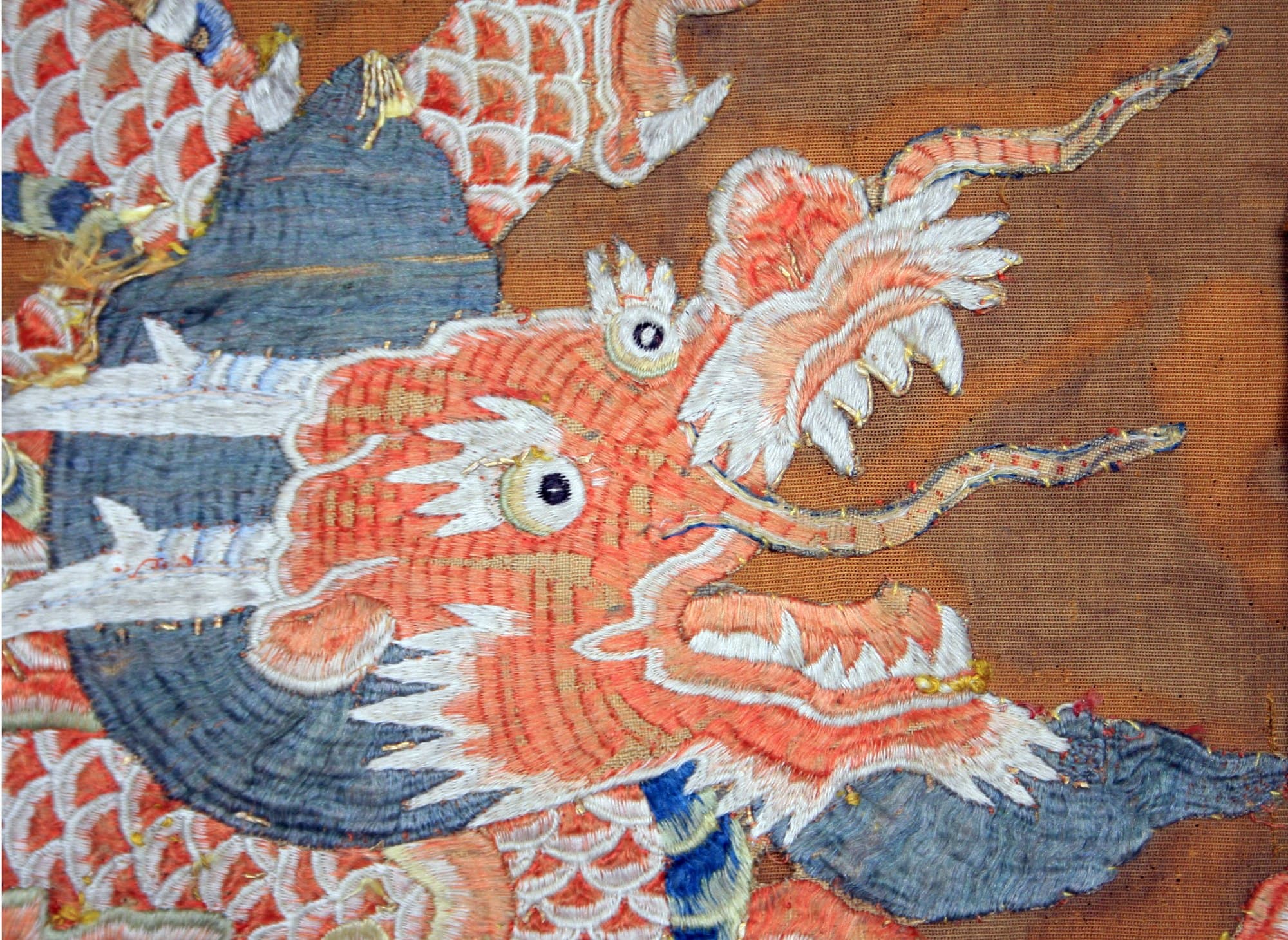
Dragon motif from a Qing robe catalogued on this site
What's Here
Selected Collection
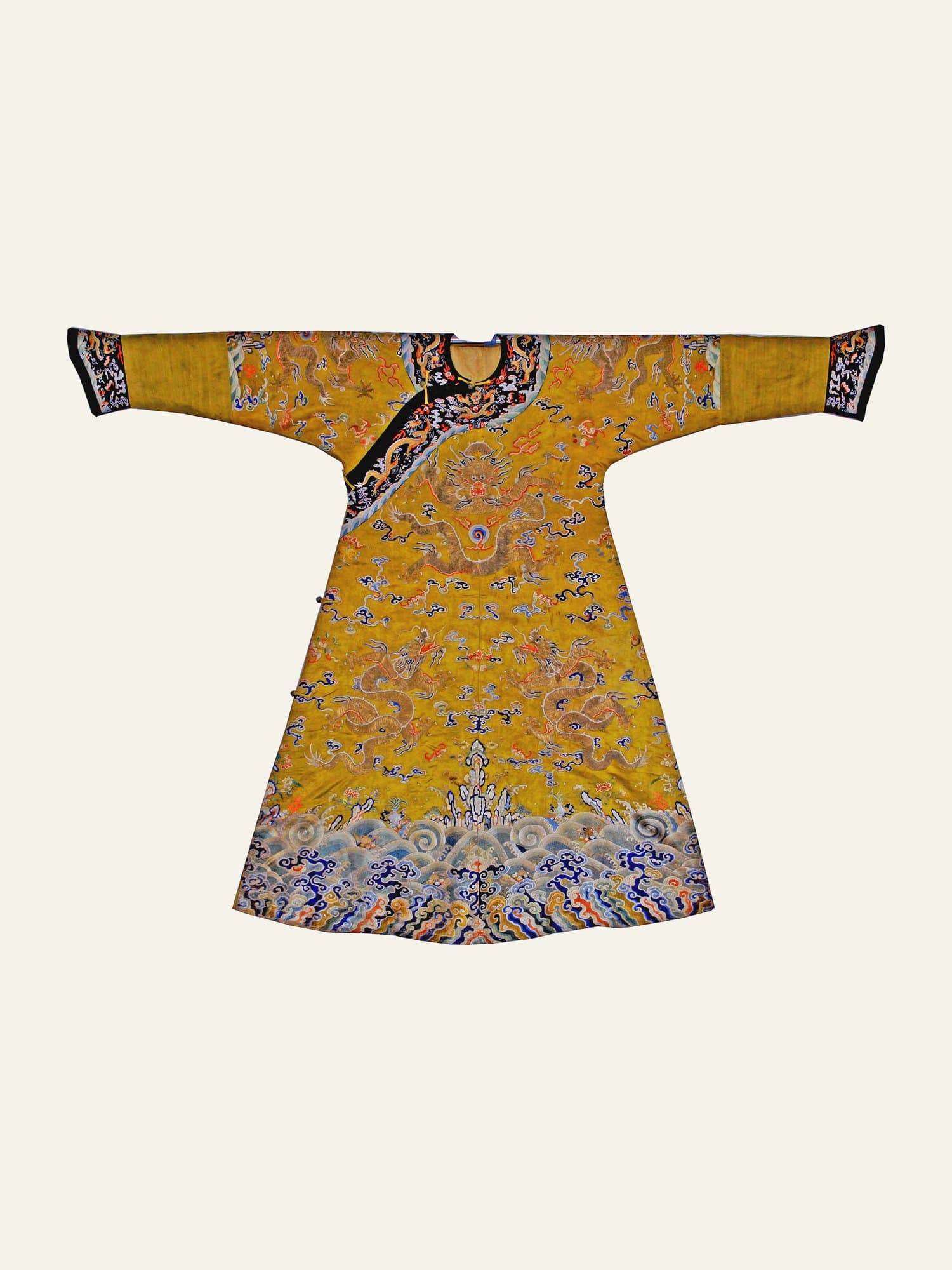
Jifu Robe with Dragons and Clouds on a Yellow Ground
清代黄地云龙纹吉服袍
Qing dynasty · Jifu robe (festive court dress)
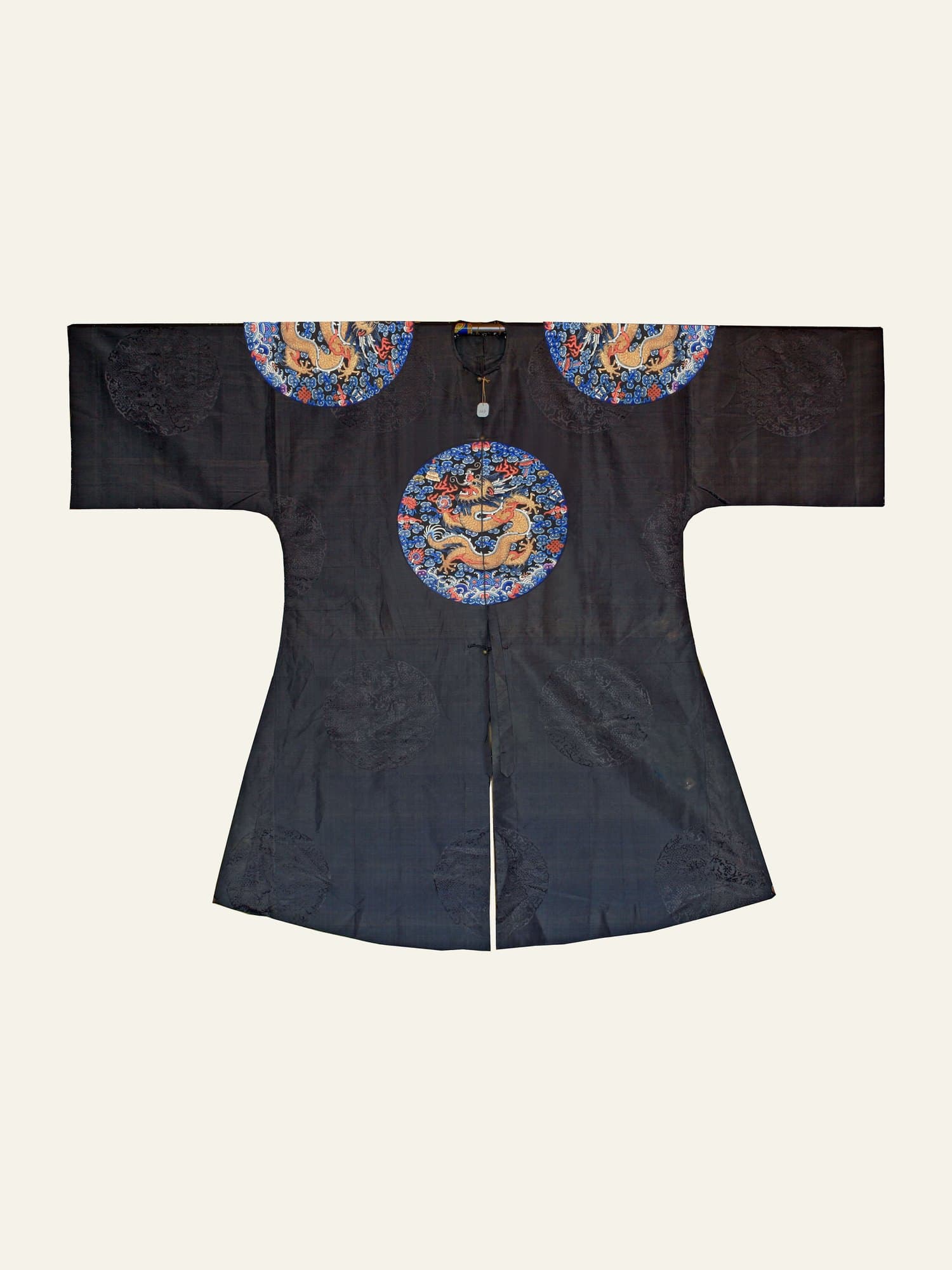
Longgua with Dragon Roundels on a Dark Blue Ground
清代石青地团龙纹龙褂
Qing dynasty · Longgua (dragon surcoat)
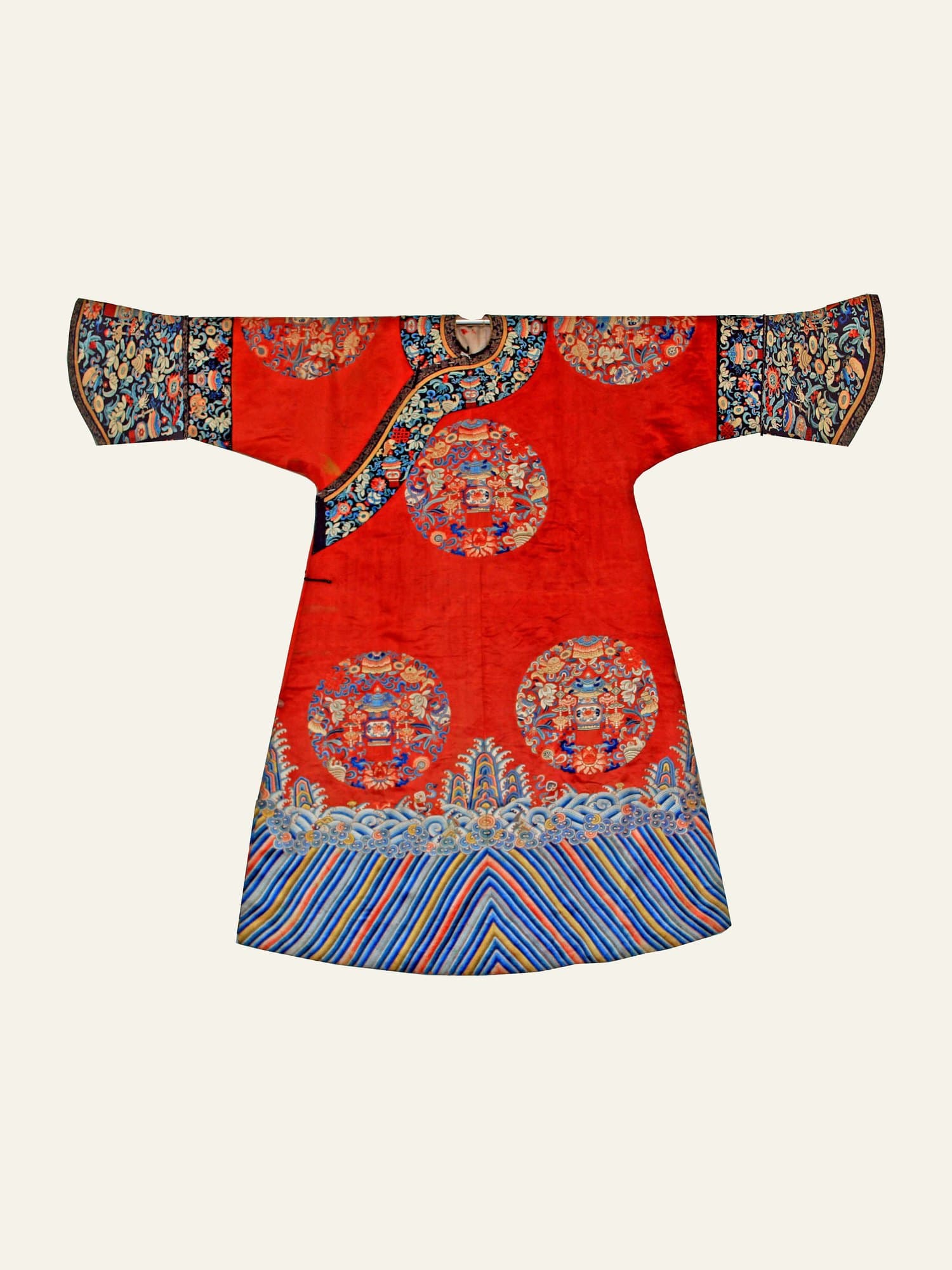
Woman’s Jifu Surcoat with Floral Roundels on a Red Ground
清代红地团花纹女吉服褂
Qing dynasty · Jifu surcoat
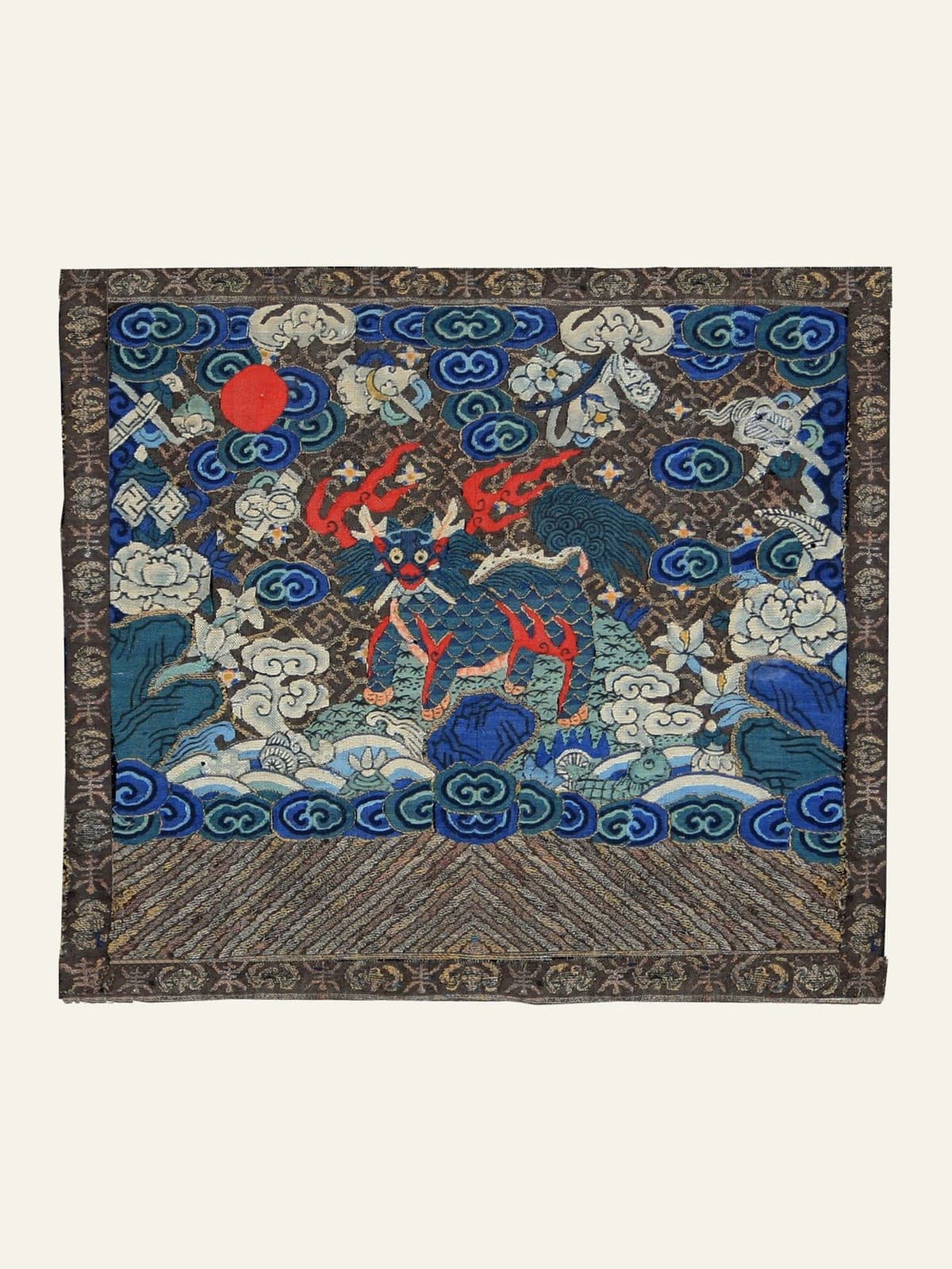
Civil Rank Badge (Buzi)
清代文官补子
Qing dynasty · Rank badge (buzi)
Motifs
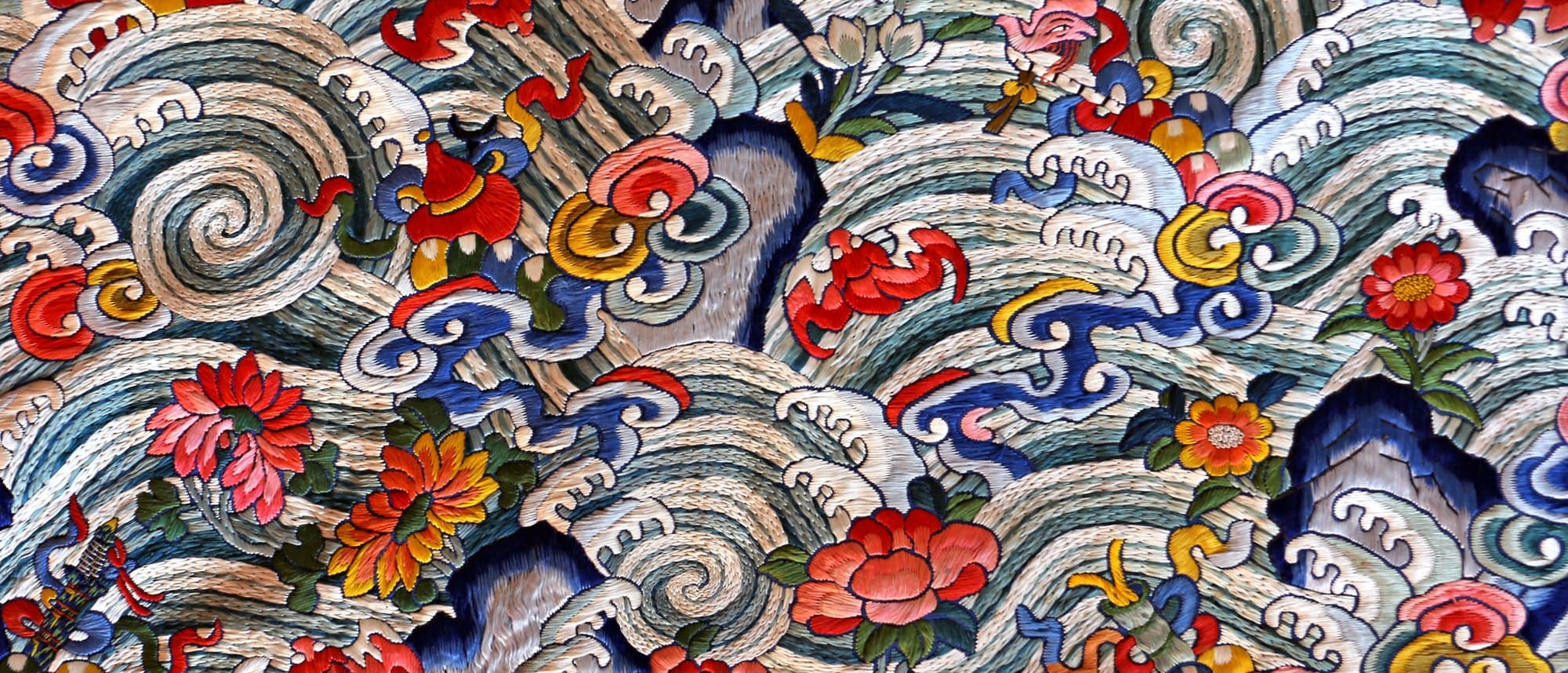
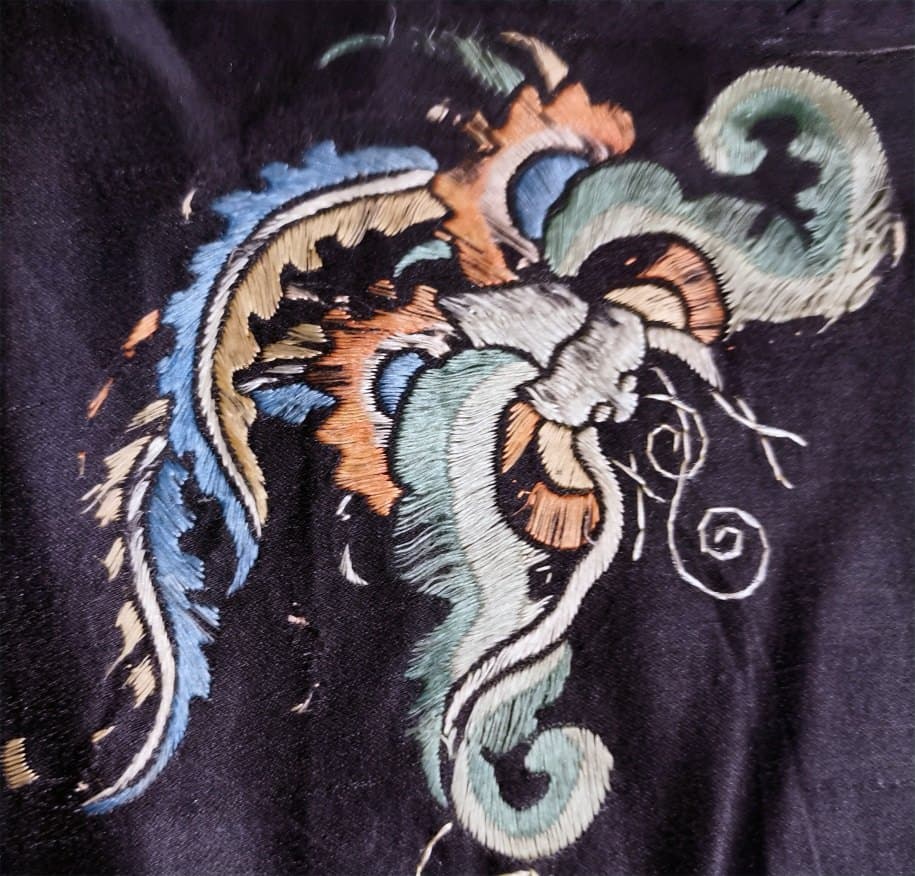
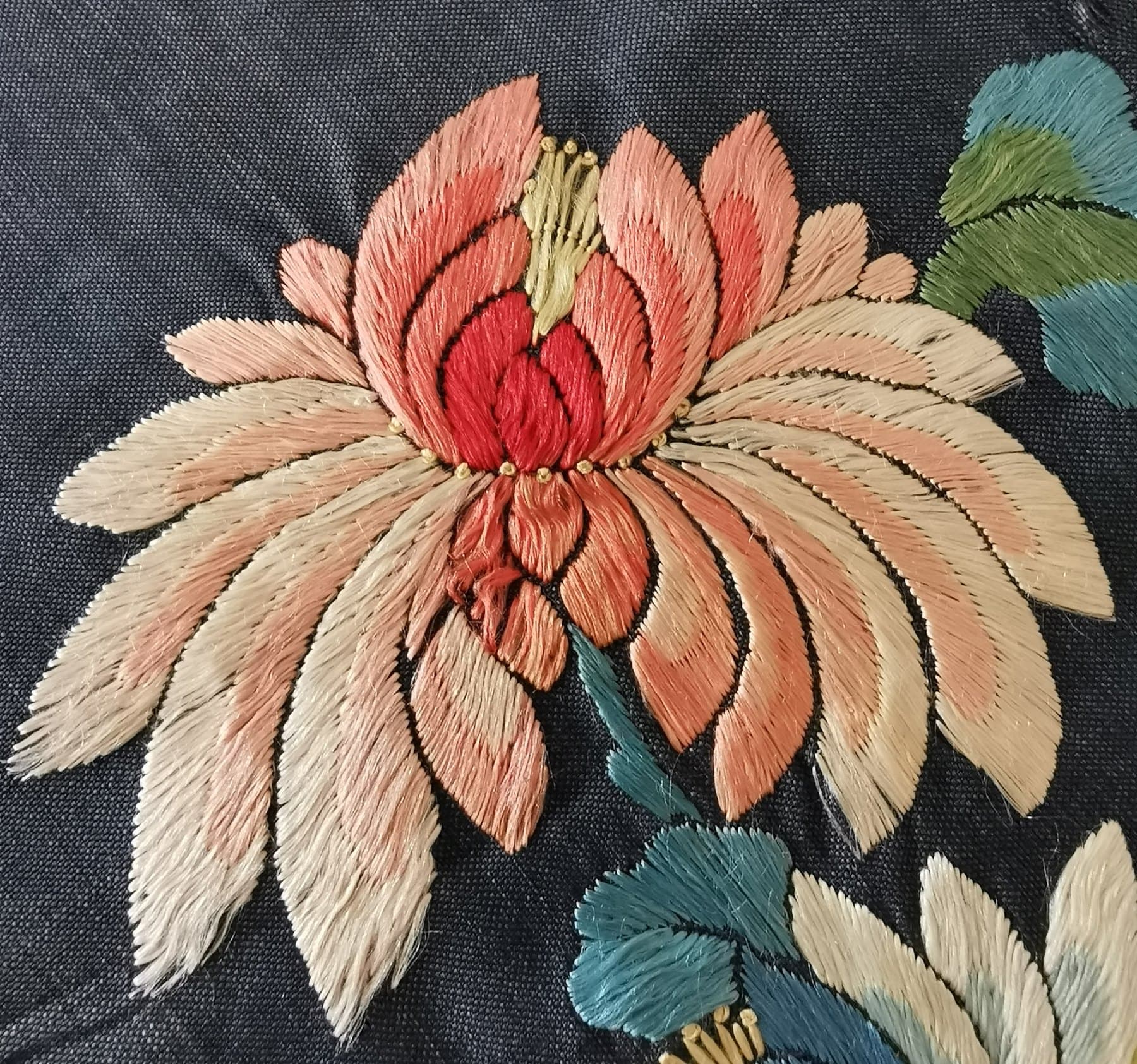
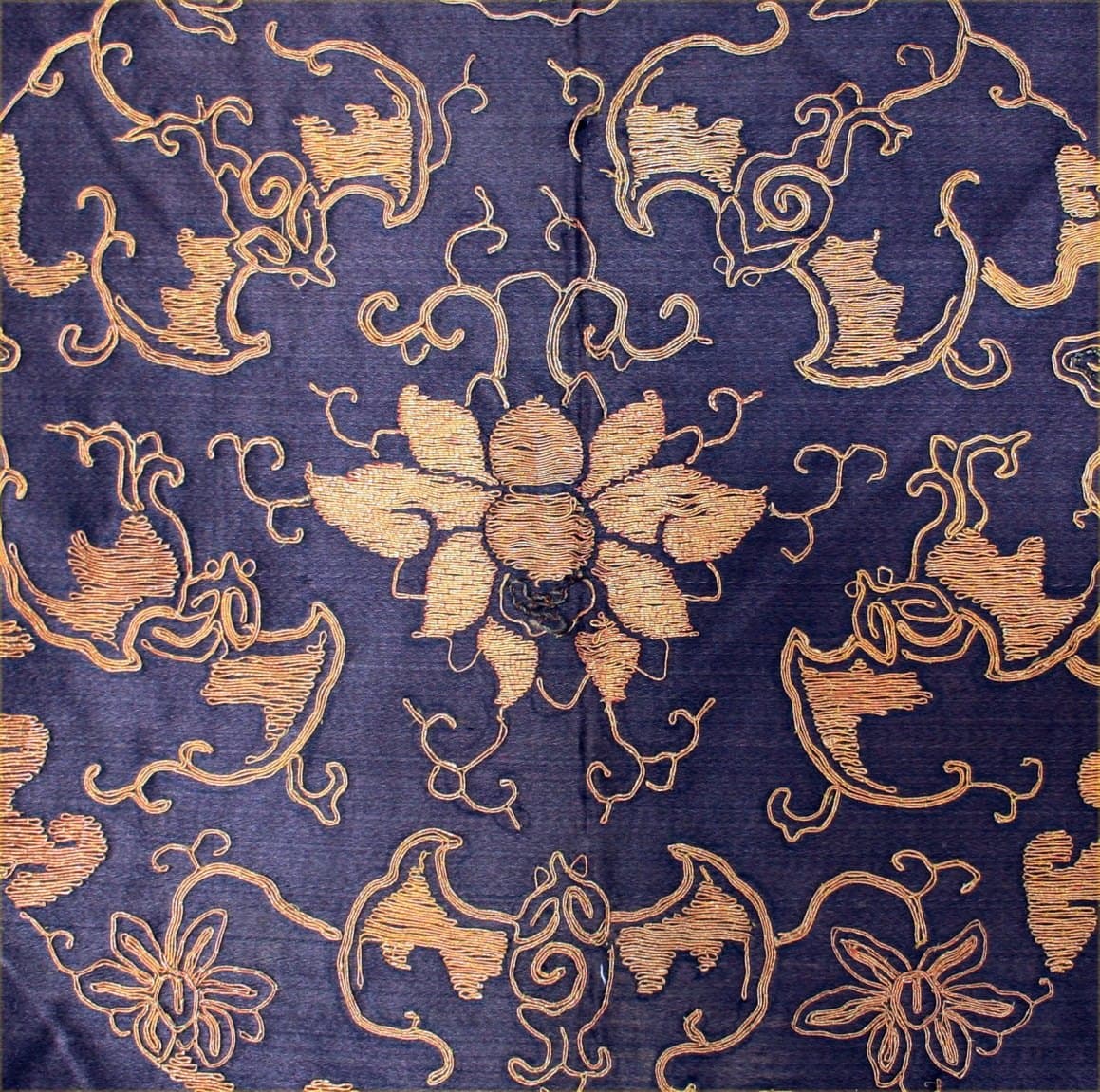
Featured Research
Motif Studies
To be added
Evolution of Dragon Motifs During the Qing Dynasty
清代历朝龙纹的演变
The dragon is the most tightly regulated motif in Qing dress, yet its form changes continuously across more than two centuries. Working from surviving garments, this study sets out the successive characteristics of the Qing dragon under five headings — the proportion of the head, the treatment of the mane, the form of the claw, the movement of the body, and its relation to the surrounding clouds — and considers the limits of using the motif as evidence for dating.
Read moreMotif Studies
To be added
Forms and Symbolism of Cloud Motifs in Qing Textiles
清代云纹的形态与象征
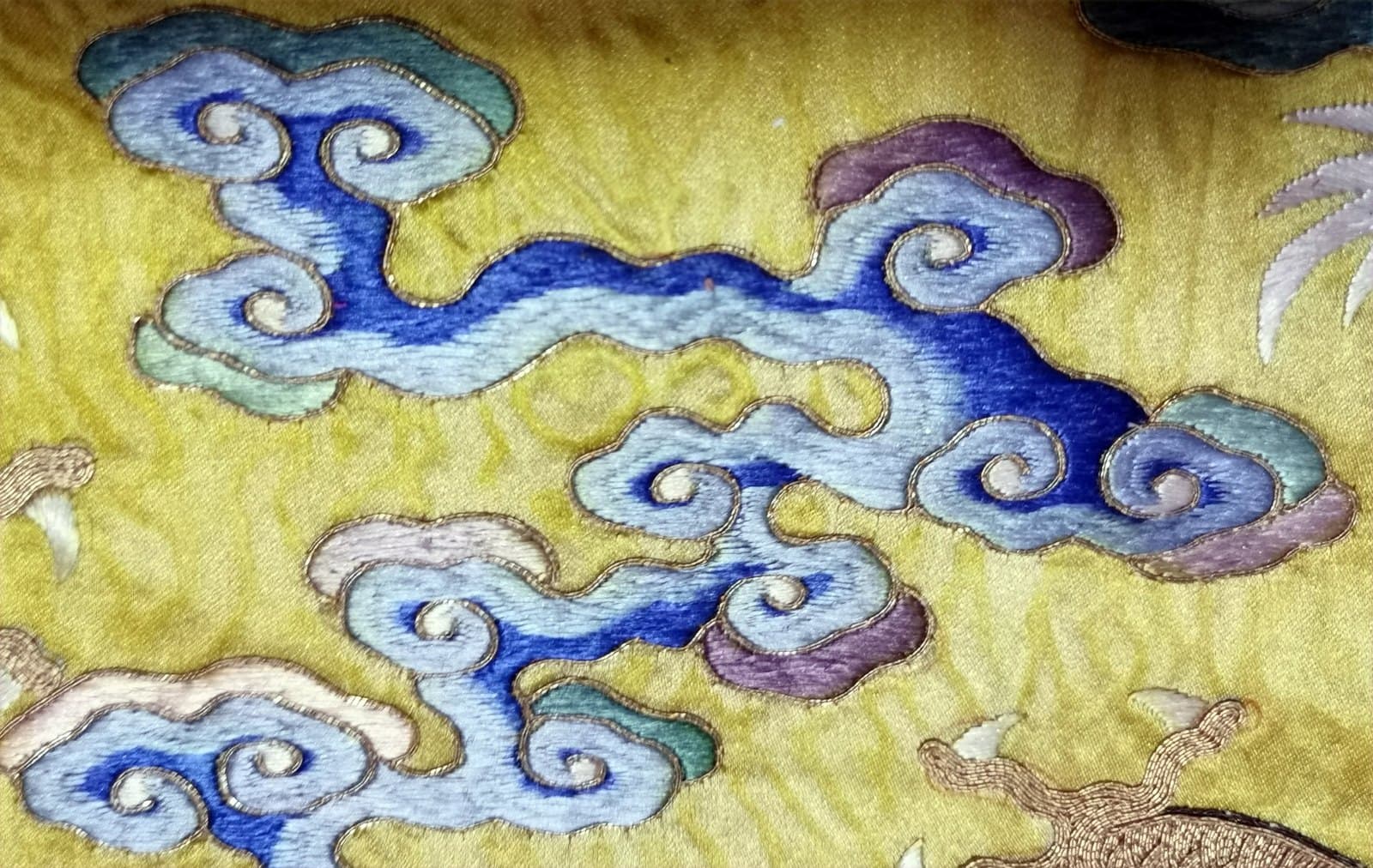
Cloud motifs in Qing textiles are at once ornament and structure. Beginning from the basic unit of head and tail, this study examines changes in density, arrangement and interlocking across the dynasty, and describes the work clouds do compositionally — dividing, linking and supporting — together with the shifting relationship between cloud and principal motif.
Read morePapers
To be added
Qing Imperial Costume Regulations Through Surviving Objects
从传世实物看清代宫廷服饰制度
Qing dress regulation set out in writing the forms, motifs and colours available to each rank, yet surviving garments do not always answer to the text. This paper distinguishes three relations between object and regulation — conformity, divergence and adjustment — and argues for the value of material evidence in understanding how the system actually worked.
Read more