Twelve Symbols
十二章纹 · shi’er zhangwen
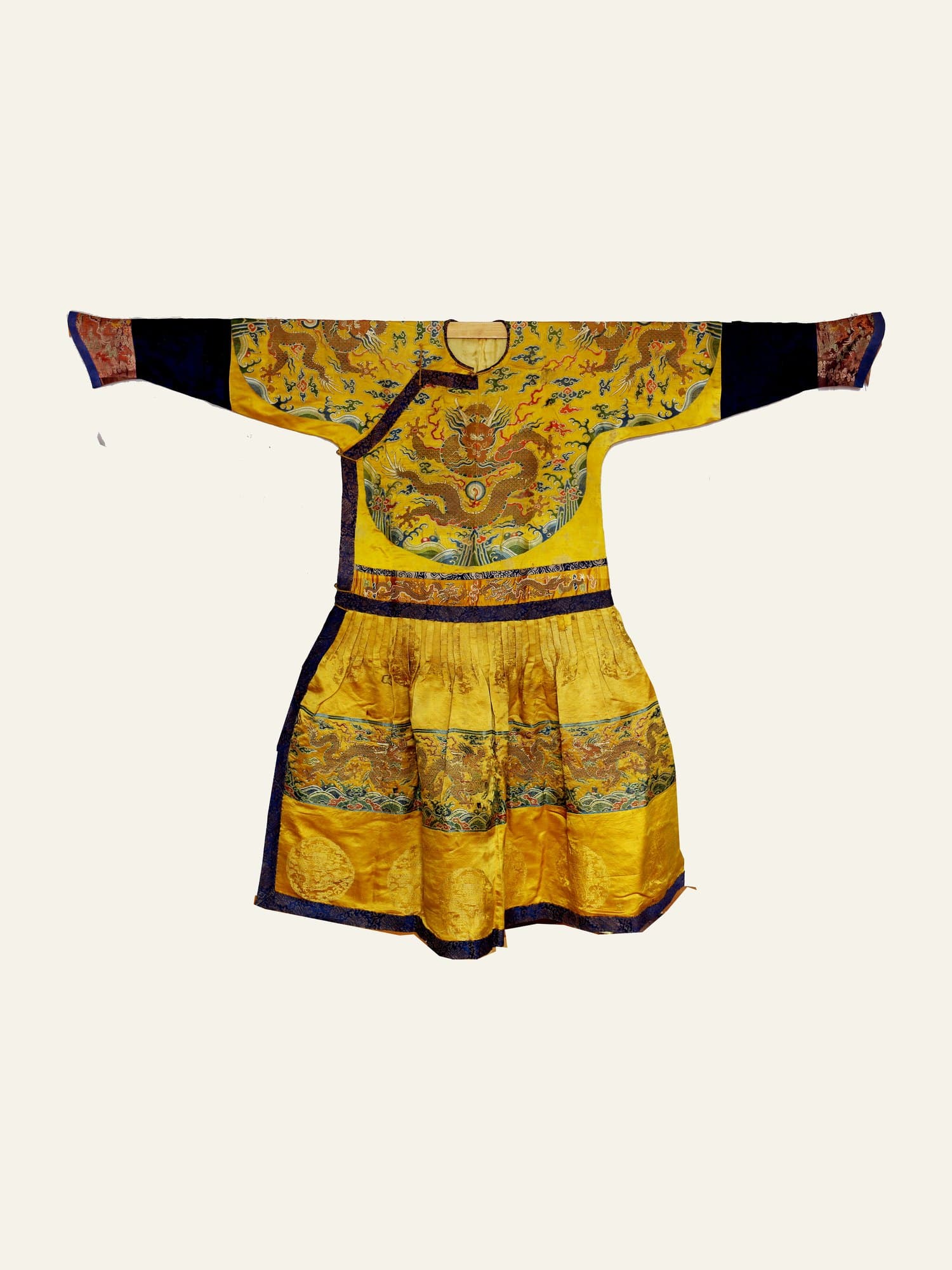
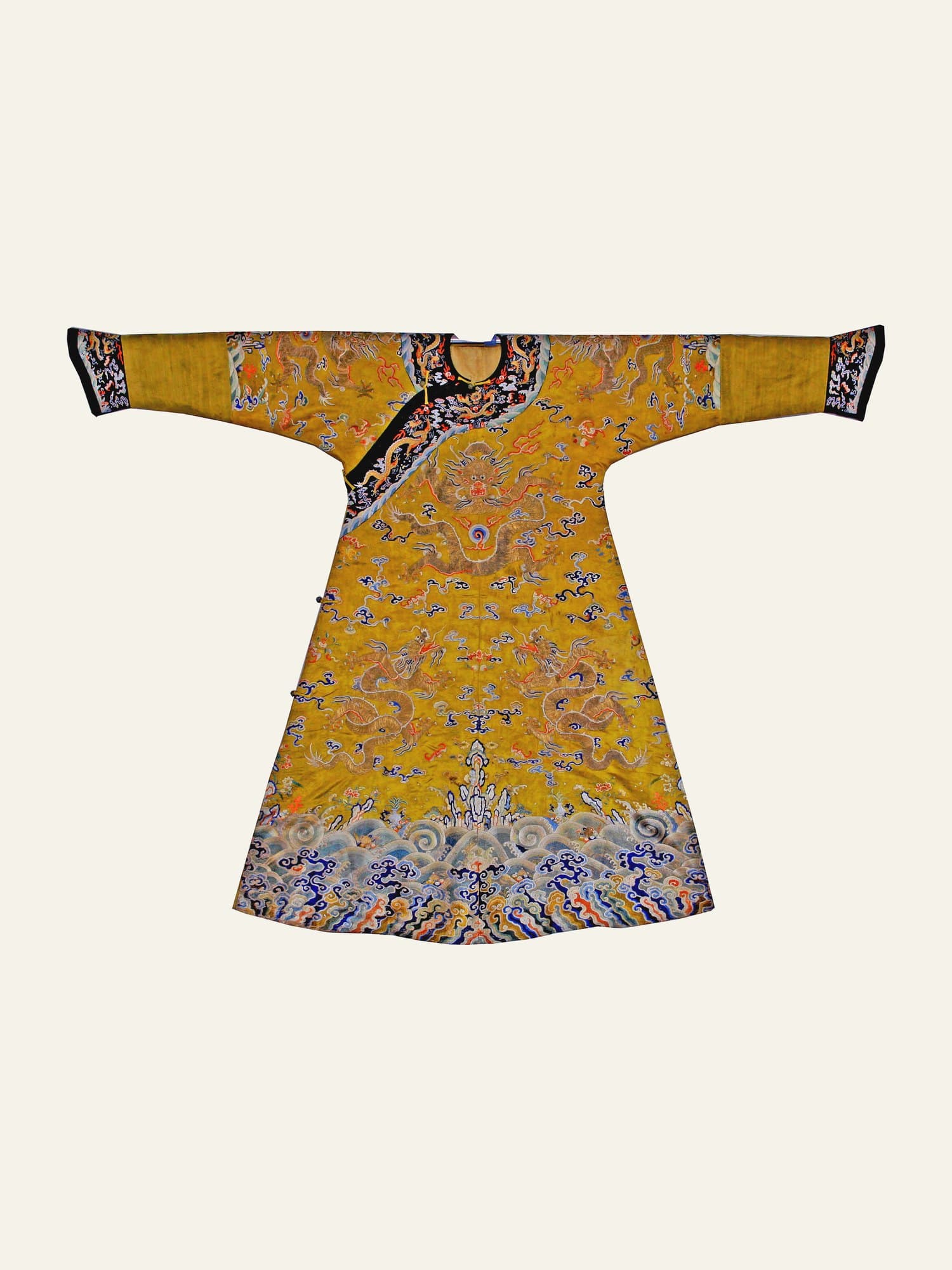
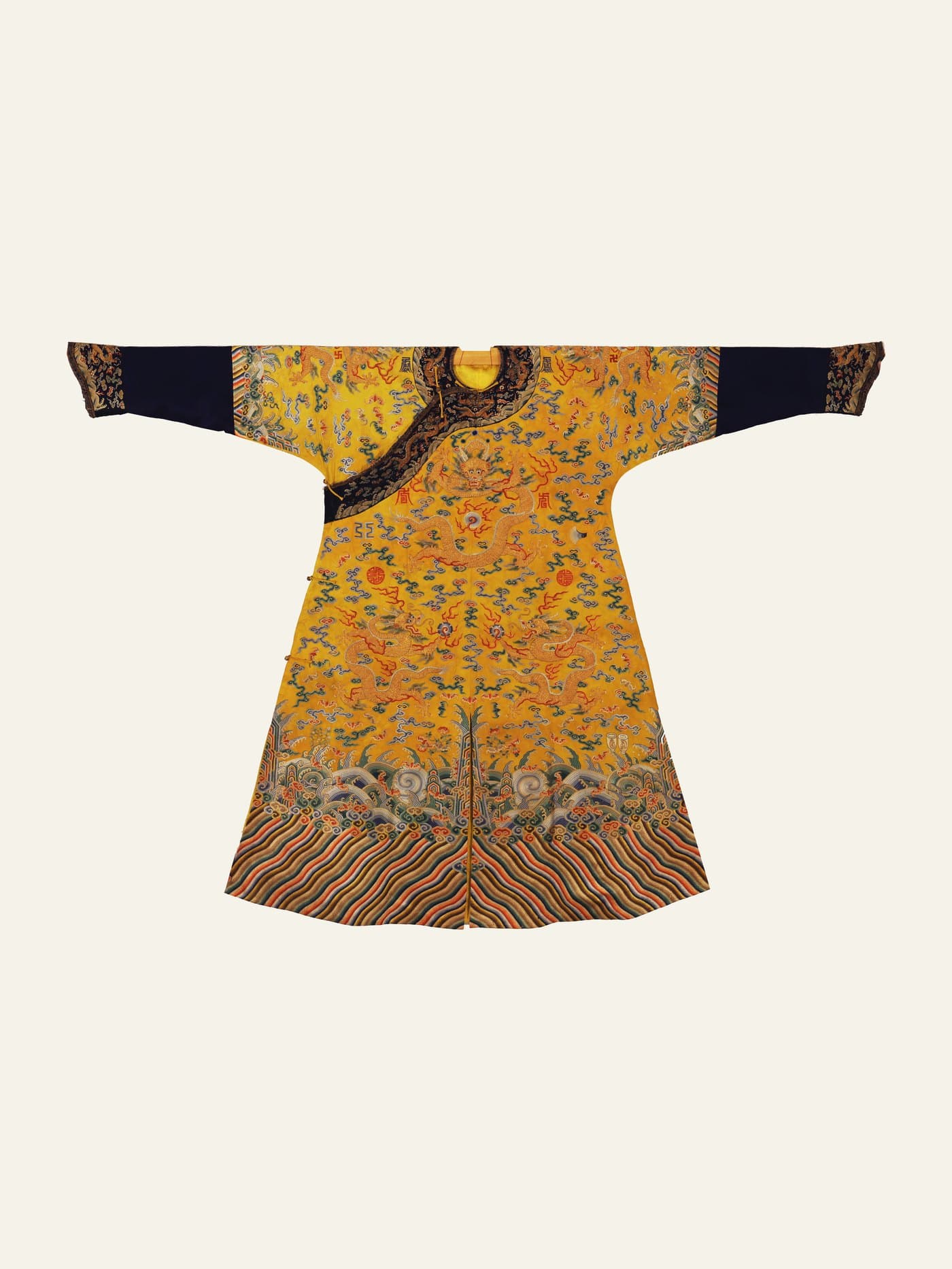
The Twelve Symbols form the ornament reserved for imperial ceremonial dress: sun, moon, constellation, mountain, dragon, pheasant, sacrificial vessels, water weed, fire, grain, axe and the fu symbol — each with a fixed position and meaning.
Historical development
The scheme goes back to the Rites of Zhou, where sun, moon and constellation were painted on banners and nine symbols used on dress. From the Han the full twelve were applied to imperial dress and became the mark of sanctity and rank, remaining in use to the end of the Qing.
The commentary to the Book of Documents divides them: sun, moon, constellation, mountain, dragon and pheasant painted on the upper garment; sacrificial vessels, water weed, fire, grain, axe and fu embroidered on the lower.
On Qing dragon robes the positions are fixed: the sun at the left shoulder, the moon at the right — “sun left, moon right” — the mountain at the back of the neck, the constellation at the front.
The stitching is equally prescribed. The sun is a red disc borne on cloud with a three-legged bird at its centre: the red ground is laid in vertical stitches, the shape of the bird reserved, and the bird then worked into it.
Surviving garments may carry incomplete or later-added symbols, so the count alone should not decide an attribution.
Cultural meaning
Sun, moon and constellation stand for illumination; the mountain for the ruler’s capacity to govern the land; the dragon for transformation; the pheasant for cultivated brilliance.
The axe, able to cut, stands for decisiveness; the fu, like two bows set back to back, for discerning right from wrong; the sacrificial vessels, painted with tiger and monkey, for courage and intelligence; the water weed, fire and grain for the vegetation of the waters, for light, and for the sustenance of the people.
Taken together the twelve encompass the whole of the visible world, and amount to a complete statement about virtue and government.
Plates
The same motif as it appears on different objects, gathered for comparison. Dates and provenance for each example are to be established and added.
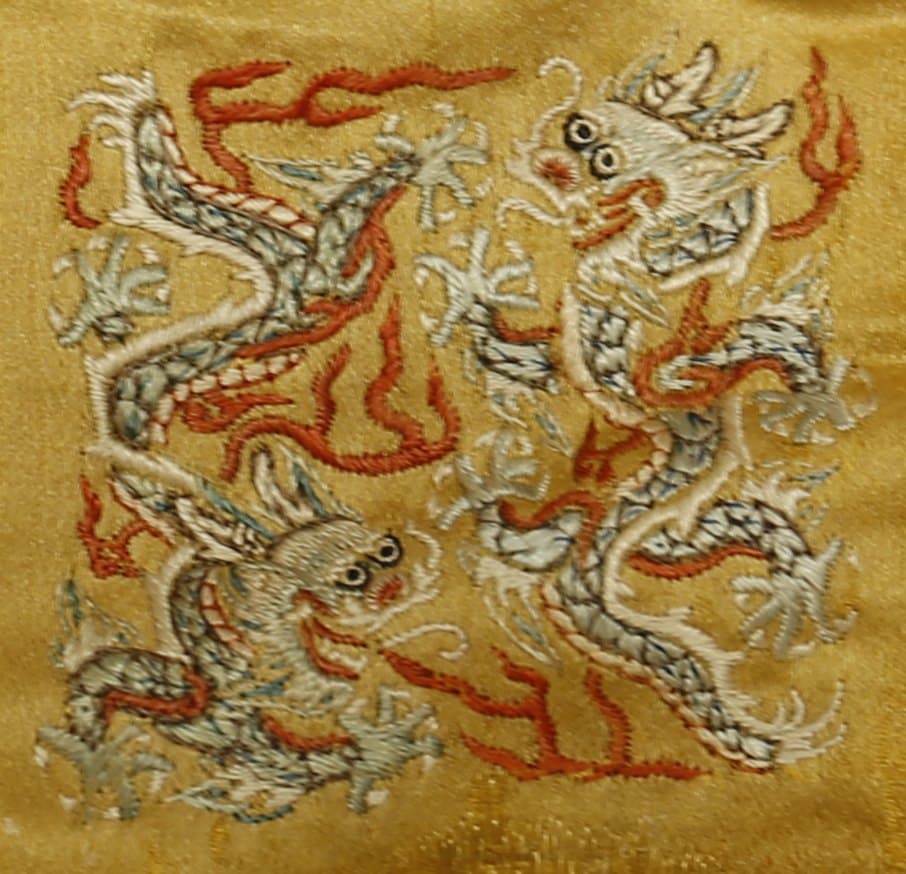
Ascending and descending dragons intertwined
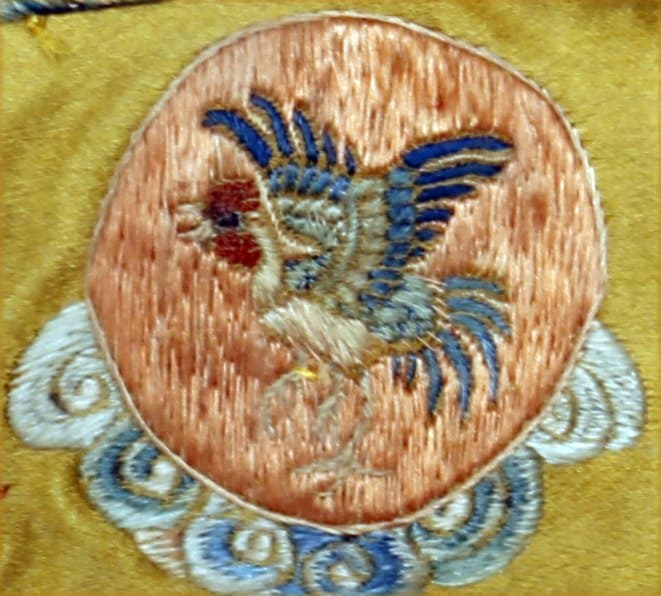
For its five-coloured plumage: cultivated brilliance
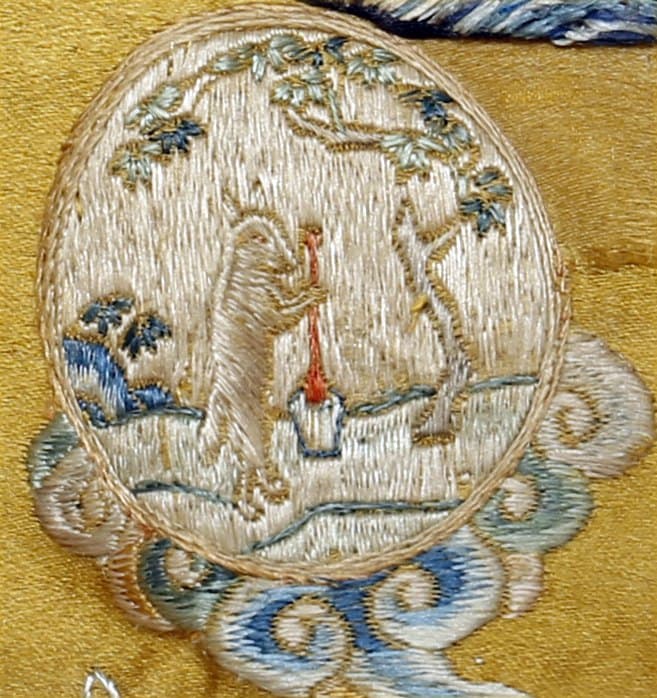
The jade hare pounding medicine beneath the tree
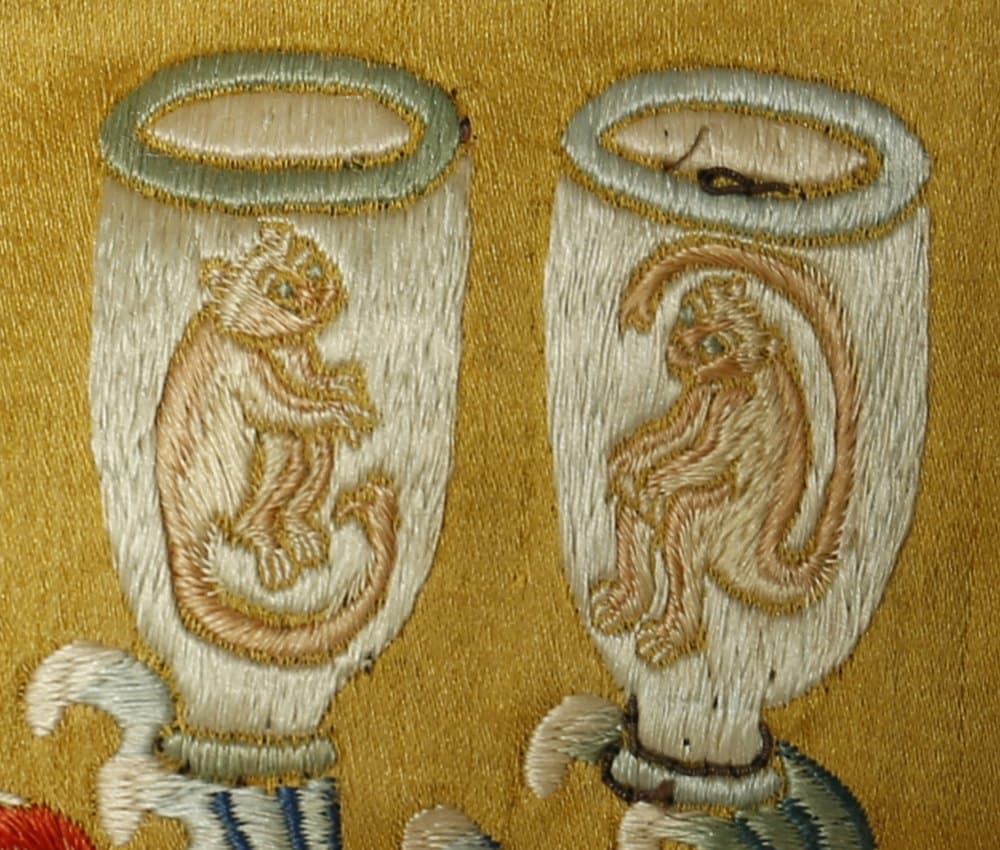
Two cups, one with a tiger, one with a monkey
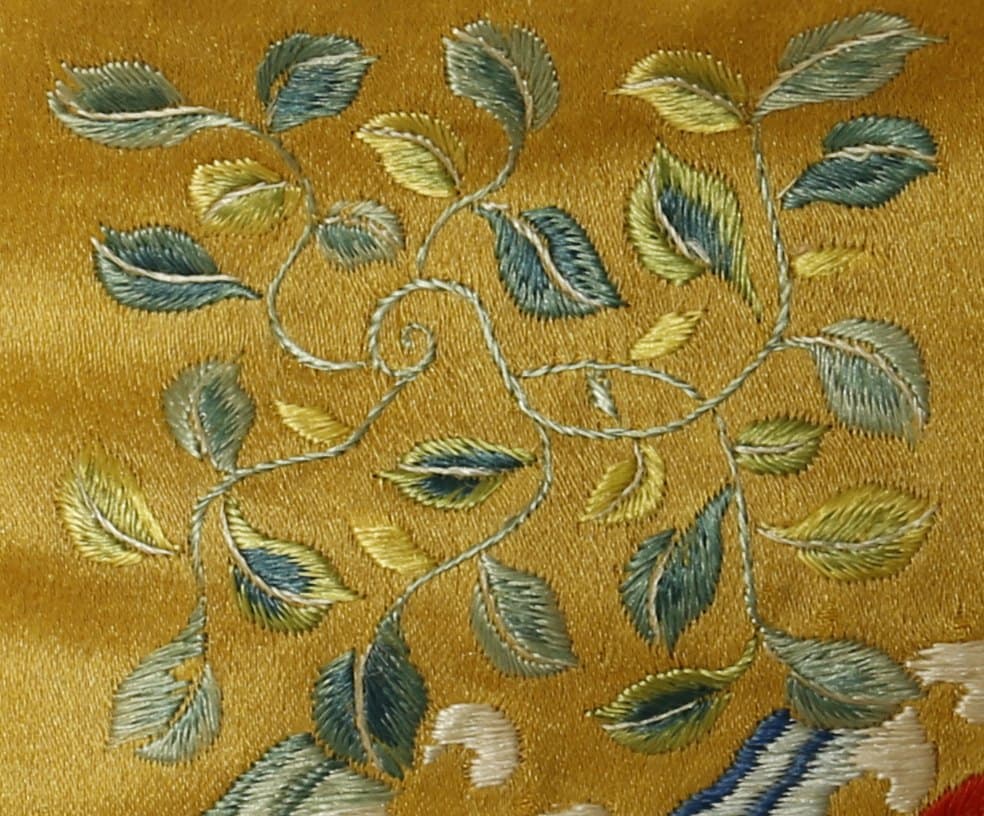
Standing for all that lives in water
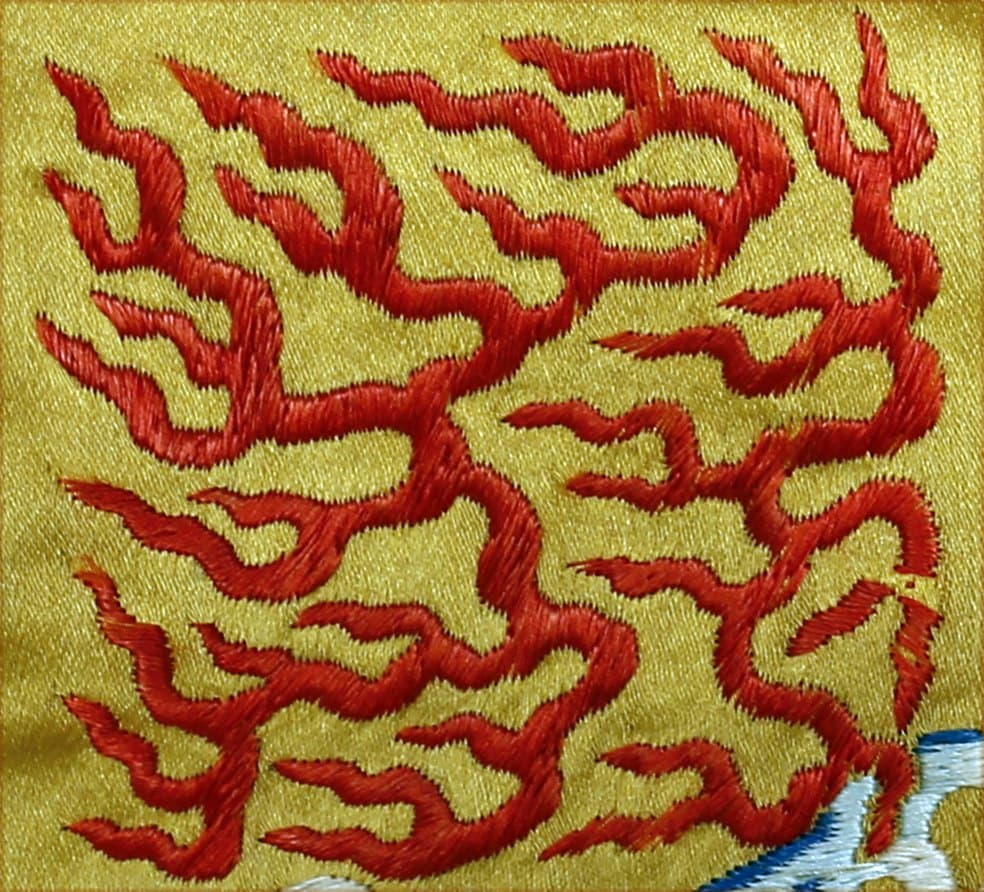
Flames rising: ascent and light
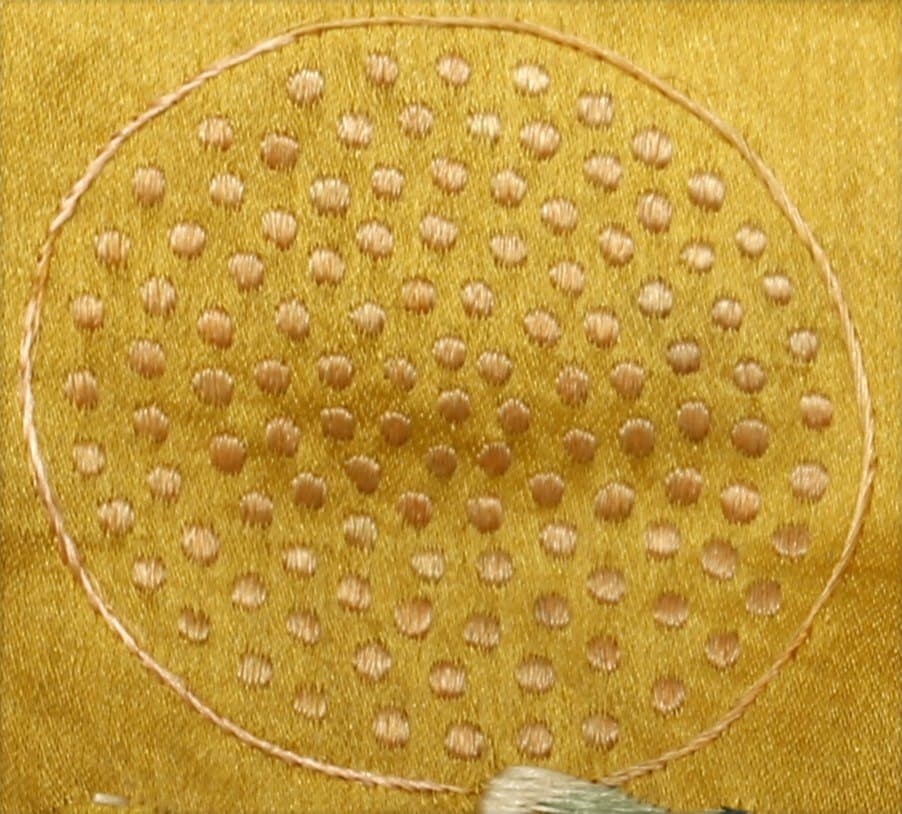
A bowl, the dots within it grains of rice
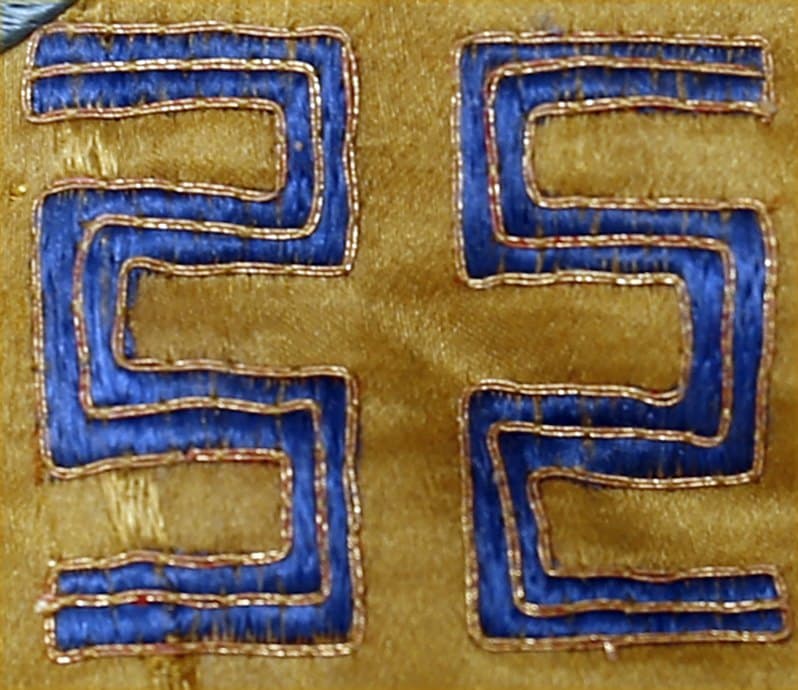
Like two bows set back to back
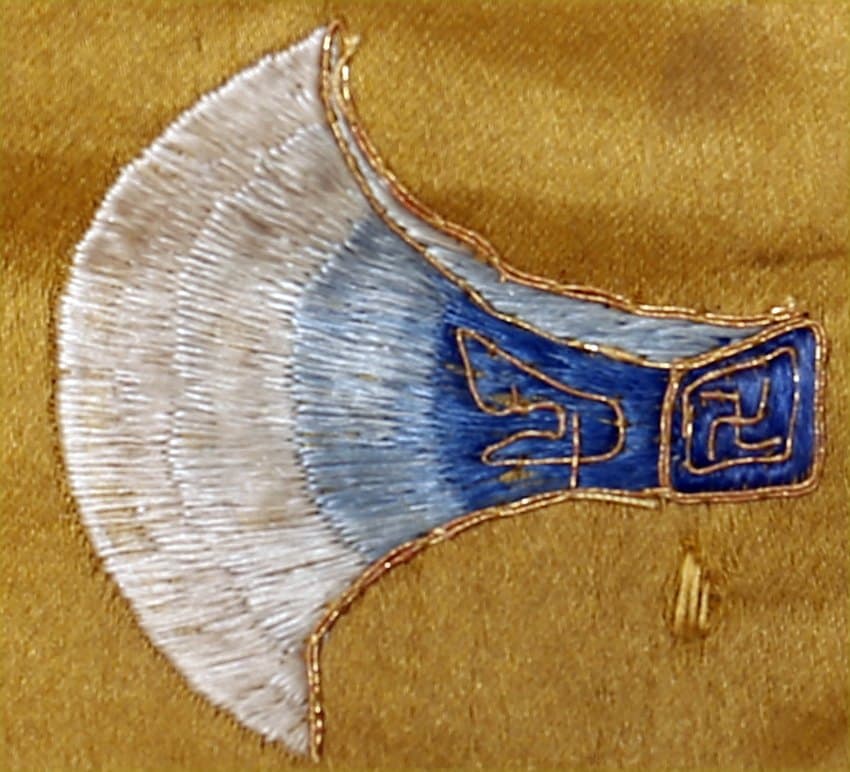
White blade, dark body: the power to cut